
Recognizing Martial Arts Progress Without Comparing Students
Notice specific learning habits and ask about progression rather than setting arbitrary deadlines.
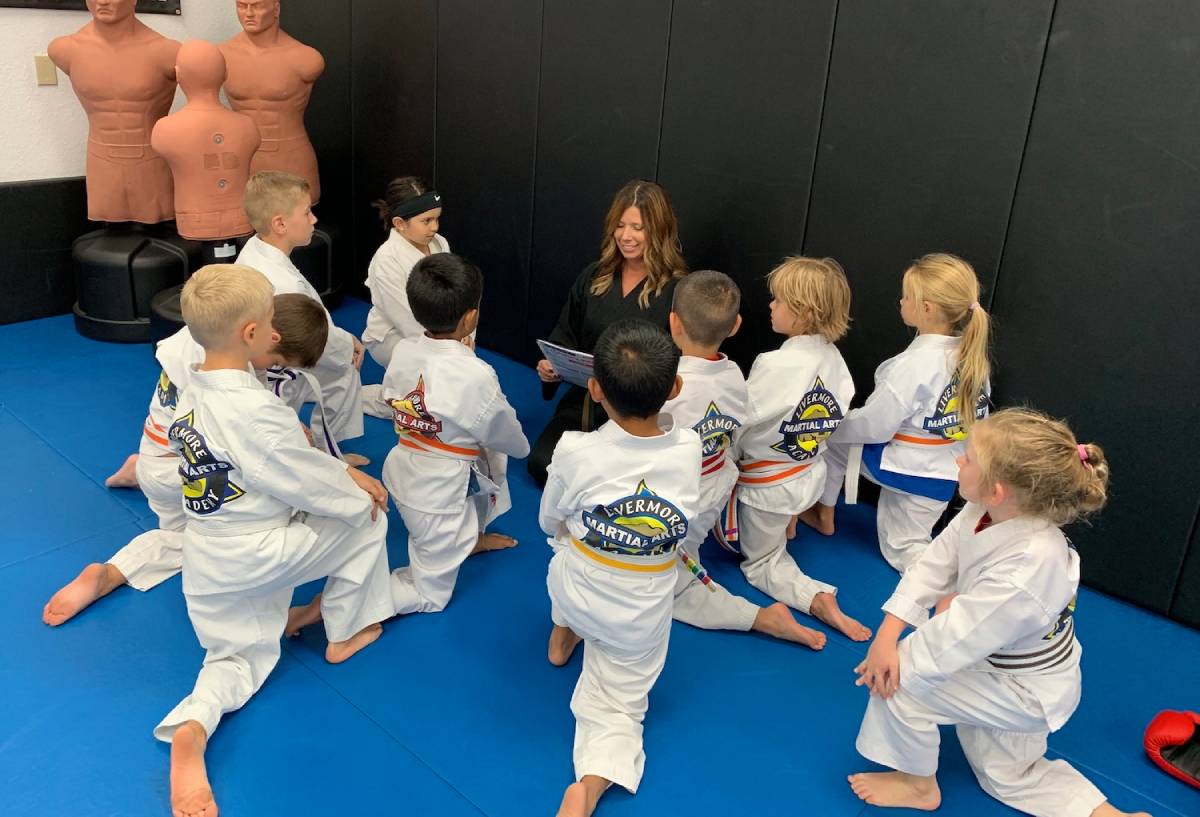
Use a personal starting point
A student’s early progress might be remembering a routine, following a correction, or asking a useful question. Those changes can be meaningful even when another student appears more advanced. Age, prior experience, attendance, and individual needs affect learning; comparing classmates can hide the progress that actually matters.
Ask about the school’s standards
If ranks or assessments are part of a program, ask Livermore Martial Arts Academy how readiness is evaluated. Do not assume every program uses the same system or that a fixed number of classes earns a particular belt. Clear standards are more useful than an outside deadline based on someone else’s experience.
Keep feedback specific
Instead of “you were amazing,” try naming an observed action: you listened to the correction, or you gave your partner space. Avoid rewards that make every class feel like a test. For teens and adults, a brief note about what to ask next session may be enough to recognize ongoing learning.
Review enjoyment as well as skill
Continued interest, comfortable participation, and a workable routine belong in the conversation. If progress seems unclear, ask the instructor about one practical next step. If participation feels persistently uncomfortable, discuss fit instead of simply demanding more effort. A class should be evaluated as an actual experience, not just a rank timeline.
Key takeaways
- Compare students with their own starting point.
- Ask for confirmed progression standards.
- Notice participation and enjoyment too.
Find your next class in Livermore
Visit Livermore Martial Arts Academy at 4070 East Ave. Compare the programs, confirm placement, and check current class times before booking your one free trial class.