
Self-Defense Starts With Awareness, Boundaries, and Leaving
Keep physical training in perspective and prioritize avoiding escalation where possible.
Start before physical contact
Self-defense discussions often jump straight to techniques. Everyday decisions also matter: noticing an uncomfortable interaction, keeping distance when possible, moving toward help, and leaving rather than proving a point. These are general considerations, not a formula that guarantees safety or assigns blame to someone harmed.
Treat boundary-setting as practice
A clear request to stop, a decision to leave, or asking another person for assistance can be worth thinking through ahead of time. Circumstances differ, and not every situation allows an easy exit. If there is immediate danger, contact emergency services. A class cannot replace emergency help or individualized safety support.
Ask how training reflects uncertainty
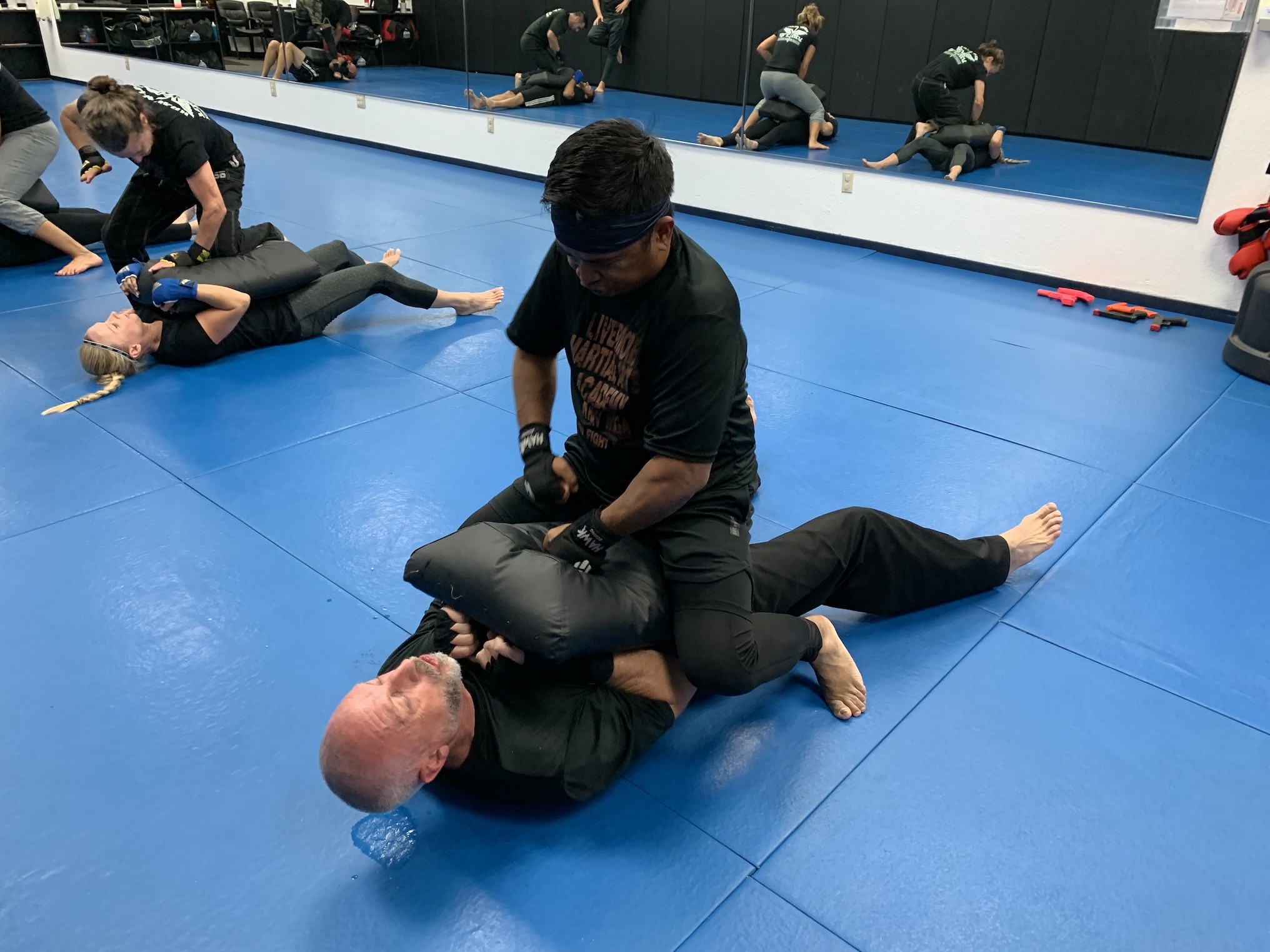
When considering Adult Krav Maga at Livermore Martial Arts Academy, ask how beginners learn judgment, partner boundaries, and controlled practice. Be wary of claims that one move works against every attacker. Size, environment, surprise, and other factors can affect an encounter; classroom success is not proof of a guaranteed real-world result.
Use the trial to evaluate instruction
Review the live schedule and attend a beginner trial to see the environment for yourself. Ask about progression and contact before joining partner exercises. Practice only under appropriate guidance, not as a challenge with friends. The goal is learning responsibly, not seeking opportunities to use physical skills.
Key takeaways
- Prioritize distance, exits, and help when possible.
- Avoid guarantees about techniques.
- Keep physical practice supervised.
Find your next class in Livermore
Visit Livermore Martial Arts Academy at 4070 East Ave. Compare the programs, confirm placement, and check current class times before booking your one free trial class.